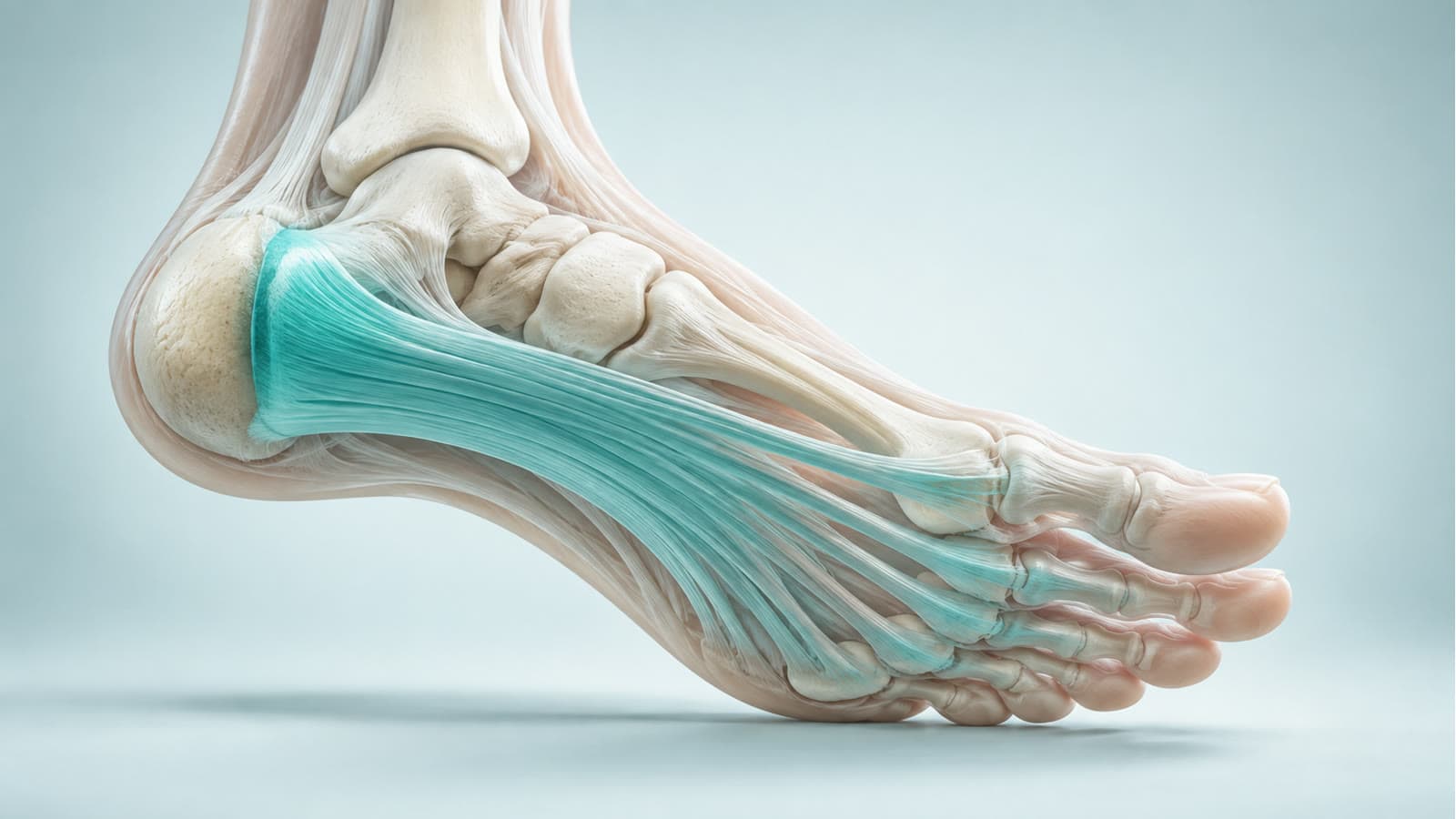
That sharp, stabbing pain in the heel the moment your foot hits the floor in the morning is one of the most recognizable complaints in any chiropractic or physical medicine office. Plantar fasciitis is among the most common causes of heel pain in adults, affecting people across a wide range of activity levels and professions. For those living and working in Alexandria, effective, non-surgical options are available.
Understanding the Plantar Fascia
The plantar fascia is a thick band of connective tissue that runs along the bottom of the foot, connecting the heel bone to the base of the toes. It functions like a bowstring, helping to maintain the arch and absorbing the forces that travel through the foot with each step. When this tissue becomes irritated or develops small tears from repetitive stress, it produces the characteristic pain of plantar fasciitis.
The word fasciitis suggests inflammation, and while that plays a role, research has shown that the condition more often involves degeneration of the tissue over time rather than acute inflammatory changes alone. This is one reason why standard anti-inflammatory medications often provide only partial or temporary relief for some people.
Who Develops Plantar Fasciitis
Certain factors raise the likelihood of developing this condition. Spending long hours on your feet, whether in a job that requires standing or walking on hard surfaces, is a common contributor. Tight calf muscles or a limited range of motion in the ankle can increase the load on the plantar fascia with each step. Foot structure, including a very high arch or a very flat arch, may also play a role in how forces are distributed through the foot.
Athletes, particularly runners, are frequently affected, but so are teachers, healthcare workers, retail employees, and anyone who spends significant time on their feet. A recent increase in activity, a change in footwear, or even weight gain can be the tipping point that brings the symptoms on.
Recognizing the Symptoms
The hallmark symptom is heel pain that is worst with the first steps after a period of rest, particularly in the morning or after sitting for an extended time. This is often described as feeling like walking on a nail. The discomfort typically eases somewhat after a few minutes of movement but can return with prolonged standing or activity. In some cases, the pain spreads along the arch.
A small bony projection called a heel spur sometimes appears on imaging in people with plantar fasciitis, but the spur itself is usually not the source of pain. It forms as a response to the chronic tension on the heel bone, and many people have heel spurs without any symptoms at all.
Chiropractic Approaches to Plantar Fasciitis
Addressing plantar fasciitis effectively often requires looking beyond the foot itself. The way the ankle, knee, hip, and lumbar spine are functioning influences the load that reaches the plantar fascia with every step. Our team at Mayfield Advanced Chiropractic evaluates the entire kinetic chain during an initial assessment to understand what is contributing to your foot pain.
Treatment may include adjustments to the foot and ankle to restore joint mobility, which can reduce the tension that builds up in the plantar fascia when certain joints are restricted. Soft tissue techniques may be used to address adhesions in the fascia itself or in the calf muscles, which are closely connected to the foot through the Achilles tendon. You can learn more about our approach to plantar fasciitis care at our practice.
Shockwave therapy is one option that has shown meaningful results in research for chronic or stubborn cases. It delivers acoustic pressure waves to the affected tissue, stimulating the body's healing response in a way that conservative care alone may not achieve for some patients. Dry needling is another technique that may reduce trigger points in the muscles that load the foot.
Stretching and Home Care
Specific stretching exercises are an important part of recovery. The calf and Achilles stretch, done before getting out of bed, can reduce the sharp first-step pain that many people experience. Intrinsic foot exercises that strengthen the small muscles of the foot help build better support over time. We will guide you through the exercises that make sense for your specific presentation.
Footwear matters more than many people realize. Shoes with adequate arch support and cushioning, particularly first thing in the morning, can reduce the strain on the plantar fascia during the period when it is most vulnerable. Going barefoot on hard floors, particularly in the early stages of recovery, tends to slow progress.
How Long Does Recovery Take
Plantar fasciitis is often described as a self-limiting condition, meaning it tends to resolve eventually even without treatment. However, without addressing the underlying factors, resolution can take well over a year, and many people find the daily discomfort and activity limitations very difficult to manage during that time. With appropriate care, most patients see meaningful improvement within several weeks to a few months, and outcomes tend to be better when treatment begins earlier rather than later.
Frequently Asked Questions
Is plantar fasciitis the same as a heel spur?
Not exactly. Plantar fasciitis refers to irritation of the plantar fascia at its attachment to the heel. Heel spurs are bony growths that can develop in the same area over time due to chronic tension. The two often occur together, but the spur itself is generally not what causes the pain. Treating the plantar fasciitis typically addresses the symptoms regardless of whether a spur is present.
Should I rest completely if I have plantar fasciitis?
Complete rest is rarely the best approach. Movement that does not aggravate symptoms is generally beneficial, and maintaining mobility in the ankle and calf is important for recovery. Low-impact activities like swimming or cycling are often tolerated well. Your provider can help you understand which activities to continue and which to modify during your recovery.
Can plantar fasciitis come back after it heals?
It can, especially if the factors that contributed to the original problem are not addressed. Building stronger foot and calf muscles, choosing appropriate footwear, and managing training loads gradually after recovery can reduce the chance of recurrence.
When should I consider more aggressive treatment like surgery?
Surgery for plantar fasciitis is rarely necessary. The vast majority of cases respond to conservative care over time. Surgical options are generally considered only after a year or more of consistent non-surgical treatment without adequate relief. Your provider can help you determine if and when a referral for further evaluation makes sense.
Mayfield Advanced Chiropractic in Alexandria, Louisiana offers evaluation and care for plantar fasciitis as part of a comprehensive approach to musculoskeletal health. If heel pain has been limiting your mornings or your activity, call us at (318) 787-2708 to schedule an appointment and find out how we can help you move more comfortably.